


As a supplier of Clay Desiccant Packs, I've been closely involved in the moisture - absorption industry. Over the years, I've received numerous inquiries about the effectiveness of clay desiccant packs compared to charcoal for moisture absorption. In this blog, I'll delve into the science behind both materials and help you determine which one might be the better choice for your needs.
Understanding the Basics of Moisture Absorption
Before we compare clay desiccant packs and charcoal, it's essential to understand how moisture absorption works. Moisture absorption is a process where a material attracts and holds water molecules from the surrounding environment. This is crucial in many applications, such as protecting products from mold, mildew, and corrosion during storage and transportation.
The Science of Clay Desiccant Packs
Clay desiccants, especially those made from montmorillonite clay, are highly effective moisture absorbers. Montmorillonite Clay Desiccant has a unique porous structure. These tiny pores act like small chambers that can trap water vapor. When the air comes into contact with the clay desiccant, the water molecules are drawn into these pores through a process called adsorption.

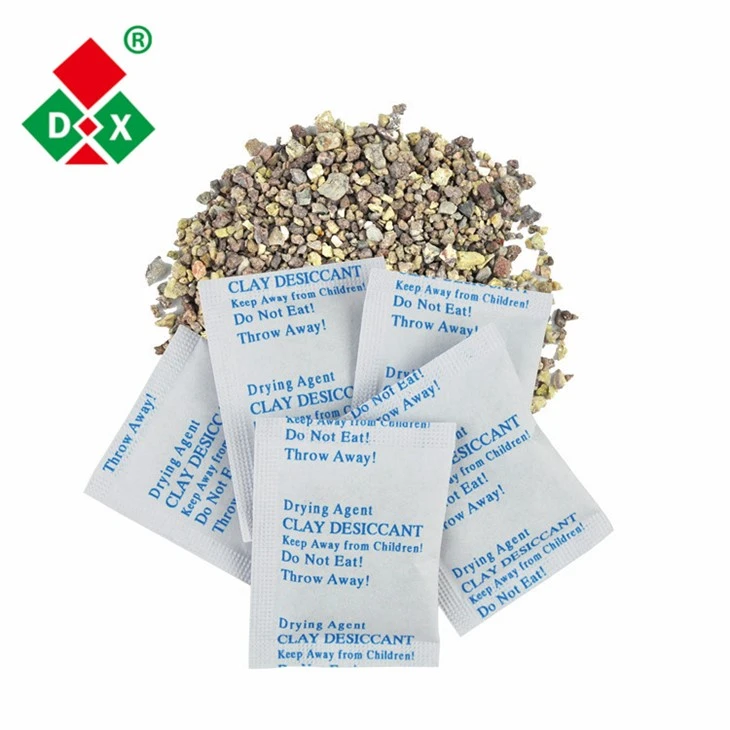
One of the key advantages of clay desiccant packs is their ability to absorb moisture over a wide range of humidity levels. They can start absorbing moisture even at relatively low humidity levels, which is important in environments where the humidity can vary. For example, in a warehouse where products are stored, the humidity can change depending on the time of day, season, and ventilation. Clay desiccants can adapt to these changes and continue to protect the products.
Another benefit of clay desiccants is their safety. They are non - toxic and non - reactive, which means they can be used in a variety of applications, including food and pharmaceutical packaging. Clay Desiccant Uses are diverse, ranging from protecting electronics to keeping clothing dry during shipping.
The Properties of Charcoal for Moisture Absorption
Charcoal, on the other hand, is also a well - known moisture absorber. It is made from carbonized organic materials, such as wood or coconut shells. Charcoal has a large surface area due to its porous structure, similar to clay desiccants. This large surface area allows it to adsorb water molecules.
Charcoal is often praised for its ability to not only absorb moisture but also to remove odors. The porous structure of charcoal can trap odor - causing molecules along with water vapor. This makes it a popular choice in applications where both moisture control and odor removal are required, such as in refrigerators or closets.
However, charcoal has some limitations. It is more effective at higher humidity levels. In low - humidity environments, its moisture - absorption capacity is significantly reduced. Also, charcoal can be more expensive than clay desiccants, especially when considering large - scale applications.
Performance Comparison
When comparing the performance of clay desiccant packs and charcoal, several factors need to be considered.
Moisture Absorption Capacity
In terms of overall moisture absorption capacity, clay desiccant packs can absorb up to 20 - 30% of their weight in water under normal conditions. Charcoal, depending on its type and quality, can absorb around 10 - 20% of its weight. This means that clay desiccant packs can potentially handle more moisture in the same amount of material, making them a more efficient choice for large - scale moisture control.
Humidity Range
As mentioned earlier, clay desiccants are effective over a wider humidity range. They can start absorbing moisture at humidity levels as low as 20%, while charcoal's performance starts to decline below 50% humidity. If you are dealing with an environment where the humidity can fluctuate between low and high levels, clay desiccant packs are the better option.
Cost - Effectiveness
Cost is an important factor in any application. Clay desiccants are generally more cost - effective than charcoal. The raw materials for clay desiccants are abundant and relatively inexpensive to process. For large - scale applications, such as in the shipping and storage of goods, the cost savings can be significant.
Safety
Clay desiccants are non - toxic and non - reactive, making them suitable for use in food, pharmaceutical, and electronic industries. Charcoal is also generally safe, but in some cases, the manufacturing process can leave behind impurities that may pose a risk in sensitive applications.
Applications and Suitability
The choice between clay desiccant packs and charcoal also depends on the specific application.
Food and Pharmaceutical Packaging
In food and pharmaceutical packaging, safety is of utmost importance. Clay Kraft Desiccant Packs are an ideal choice. They can protect the products from moisture - related damage without the risk of contamination. Charcoal, while generally safe, may not be the first choice due to the potential for impurities and its relatively lower moisture - absorption capacity at low humidity levels.
Electronics
Electronics are highly sensitive to moisture. Clay desiccant packs can effectively protect electronic components from corrosion and short - circuits caused by moisture. The wide humidity - range performance of clay desiccants makes them suitable for the varying humidity conditions during shipping and storage of electronics.
Odor - Prone Environments
In environments where odor removal is a priority, such as in refrigerators or closets, charcoal may be a better option. While clay desiccant packs do not have significant odor - removal properties, charcoal can help keep the air fresh while also controlling moisture.
Conclusion
In conclusion, both clay desiccant packs and charcoal have their own advantages and disadvantages. Clay desiccant packs are generally better in terms of moisture absorption capacity, cost - effectiveness, and safety, especially in a wide range of humidity conditions. They are suitable for most applications, including food, pharmaceutical, and electronics industries.
Charcoal, on the other hand, is a good choice when odor removal is required, especially in high - humidity environments. However, its performance is limited at low humidity levels, and it can be more expensive.
If you are looking for a reliable and cost - effective solution for moisture control, I highly recommend considering our clay desiccant packs. We offer high - quality products that can meet your specific needs. Whether you are a small business or a large corporation, we can provide the right quantity and type of clay desiccant packs for your application.
If you are interested in learning more about our clay desiccant packs or would like to discuss your specific requirements, please don't hesitate to contact us for a procurement discussion. We are committed to providing excellent products and services to help you solve your moisture - related problems.
References
- "Handbook of Desiccants and Moisture Control" - A comprehensive guide on desiccant materials and their applications.
- "Carbon - Based Adsorbents for Moisture and Odor Control" - Research on the properties and performance of charcoal as a desiccant.
- Industry reports on the desiccant market, which provide data on the performance and cost of different desiccant materials.


