


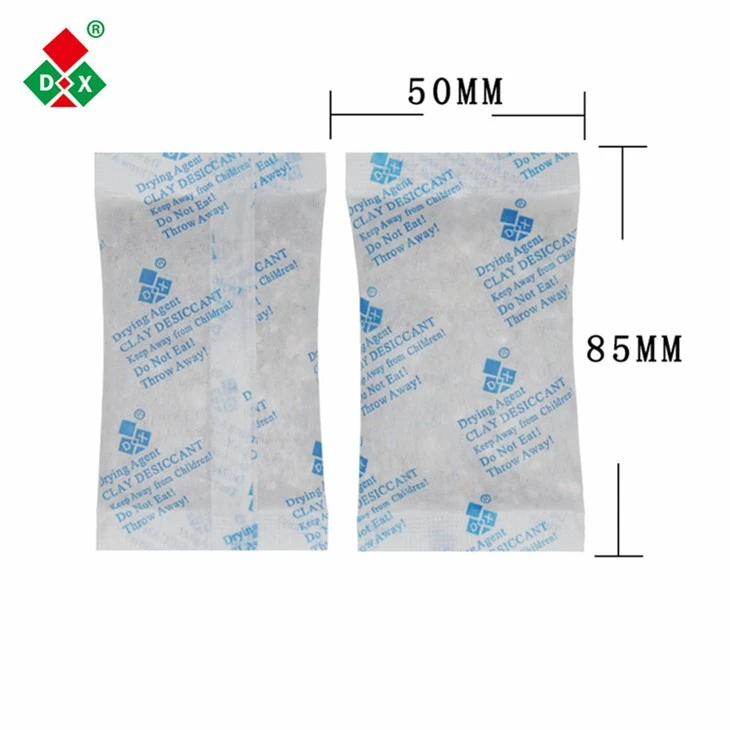
As a supplier of Clay Desiccant Bags, I often encounter inquiries from clients regarding the compatibility of these desiccants with different packaging materials. This topic is crucial as the right combination can significantly enhance product preservation, while an incompatible match may lead to sub - optimal results or even product damage. In this blog, I will delve into the details of how clay desiccant bags interact with various packaging materials.
Understanding Clay Desiccants
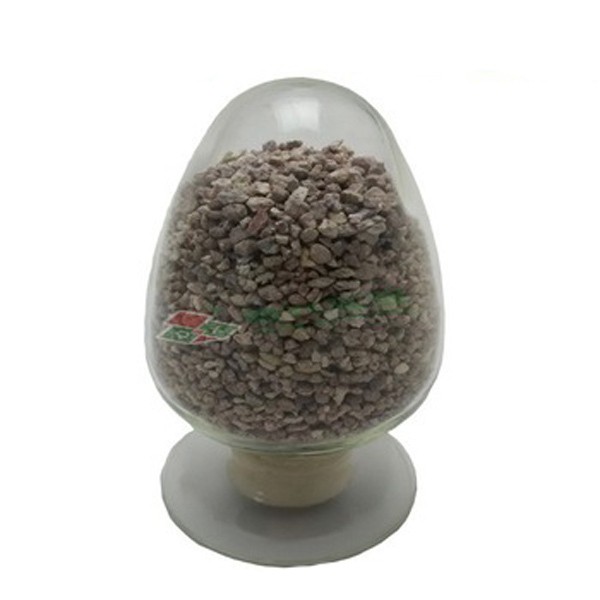
Clay desiccants are made from natural clay minerals such as bentonite and montmorillonite. They are highly effective in absorbing moisture from the surrounding environment. Bentonite Clay Desiccant Packets are known for their high absorption capacity and cost - effectiveness. Bentonite clay has a unique porous structure that allows it to trap water molecules efficiently. Similarly, Montmorillonite Clay Desiccant offers excellent moisture - absorbing properties. It can adapt to different humidity levels and maintain a stable internal environment for packaged products.
Compatibility with Paper Packaging
Paper is one of the most common packaging materials due to its low cost, recyclability, and ease of customization. Clay desiccant bags are generally compatible with paper packaging. Paper is porous, which means that moisture can easily pass through it and reach the desiccant. The desiccant then absorbs the moisture, preventing it from causing damage to the product inside. For example, in the packaging of dry food products like biscuits or tea, paper boxes with clay desiccant bags can effectively keep the products dry and fresh. However, it's important to note that if the paper is coated with a non - porous material, the moisture transfer may be hindered, reducing the desiccant's effectiveness.
Compatibility with Plastic Packaging
Plastic packaging comes in various forms, such as polyethylene (PE), polypropylene (PP), and polyvinyl chloride (PVC). The compatibility of clay desiccant bags with plastic depends on the type of plastic and its permeability.
- High - density polyethylene (HDPE) and polypropylene (PP): These plastics are relatively low - permeability materials. While they can still allow some moisture to pass through over time, the rate of moisture transfer is much slower compared to paper. When using clay desiccant bags with HDPE or PP packaging, it's essential to ensure that the desiccant has enough time to absorb the moisture. For products with a long shelf - life, such as electronic components, clay desiccant bags can be an effective solution to prevent moisture - related corrosion.
- Low - density polyethylene (LDPE) and PVC: These plastics have higher permeability than HDPE and PP. They allow moisture to pass through more easily, making them more suitable for use with clay desiccant bags. For example, in the packaging of leather goods or textiles, LDPE or PVC bags with clay desiccant can help maintain the product's quality by absorbing excess moisture.
Compatibility with Glass Packaging
Glass is an impermeable material, which means that it does not allow moisture to pass through. However, when using glass packaging, there can still be moisture inside the container, especially if the product is not completely dry before packaging. Clay desiccant bags can be placed inside glass jars or bottles to absorb this internal moisture. For example, in the packaging of pharmaceuticals or high - end cosmetics, glass containers with clay desiccant bags can ensure the stability and quality of the products.
Compatibility with Metal Packaging
Metal packaging, such as aluminum cans or steel boxes, is also commonly used. Metal is generally impermeable to moisture, but it can be prone to corrosion in the presence of moisture. Clay desiccant bags can be used inside metal packaging to prevent corrosion. For example, in the packaging of metal tools or automotive parts, clay desiccant bags can absorb any moisture that may be present inside the container, protecting the metal from rusting.
Factors Affecting Compatibility
- Humidity level: The ambient humidity level plays a significant role in the performance of clay desiccant bags. In high - humidity environments, the desiccant will absorb moisture more quickly. Therefore, in such conditions, it may be necessary to use a larger quantity of desiccant or replace the desiccant bags more frequently.
- Product characteristics: The nature of the product being packaged also affects the compatibility. Some products may release moisture during storage, while others may be sensitive to certain chemicals in the desiccant. For example, food products require desiccants that are food - grade and non - toxic.
- Packaging design: The design of the packaging, such as the presence of seals or vents, can impact the desiccant's effectiveness. Well - sealed packaging can prevent external moisture from entering, while vents can help in the exchange of air and moisture.
Benefits of Using Clay Desiccant Bags with Compatible Packaging
- Product protection: By absorbing moisture, clay desiccant bags can prevent a wide range of problems such as mold growth, corrosion, and degradation of products. This helps to maintain the quality and integrity of the products during storage and transportation.
- Cost - effectiveness: Clay desiccants are relatively inexpensive compared to other types of desiccants. When used in combination with compatible packaging materials, they offer a cost - effective solution for moisture control.
- Environmental friendliness: Clay desiccants are made from natural materials and are generally biodegradable. This makes them a more environmentally friendly option compared to some synthetic desiccants.
Conclusion
In conclusion, clay desiccant bags are compatible with a wide range of packaging materials, including paper, plastic, glass, and metal. However, the effectiveness of the desiccant depends on various factors such as the type of packaging material, humidity level, product characteristics, and packaging design. As a supplier of Clay Desiccants Packets, I am committed to providing high - quality desiccant solutions that are tailored to the specific needs of our clients.
If you are interested in learning more about our clay desiccant bags or need advice on choosing the right desiccant for your packaging, please feel free to contact us. We are more than happy to assist you in finding the best moisture - control solution for your products.
References
- Smith, J. (2018). Moisture Control in Packaging. Packaging Science Journal, 25(3), 123 - 135.
- Brown, A. (2019). The Role of Desiccants in Product Preservation. Industrial Packaging Review, 32(2), 45 - 56.
- Green, C. (2020). Compatibility of Desiccants with Different Packaging Materials. Environmental Packaging Research, 18(4), 78 - 89.


